Influencer Marketing Trends Every Brand Should Watch
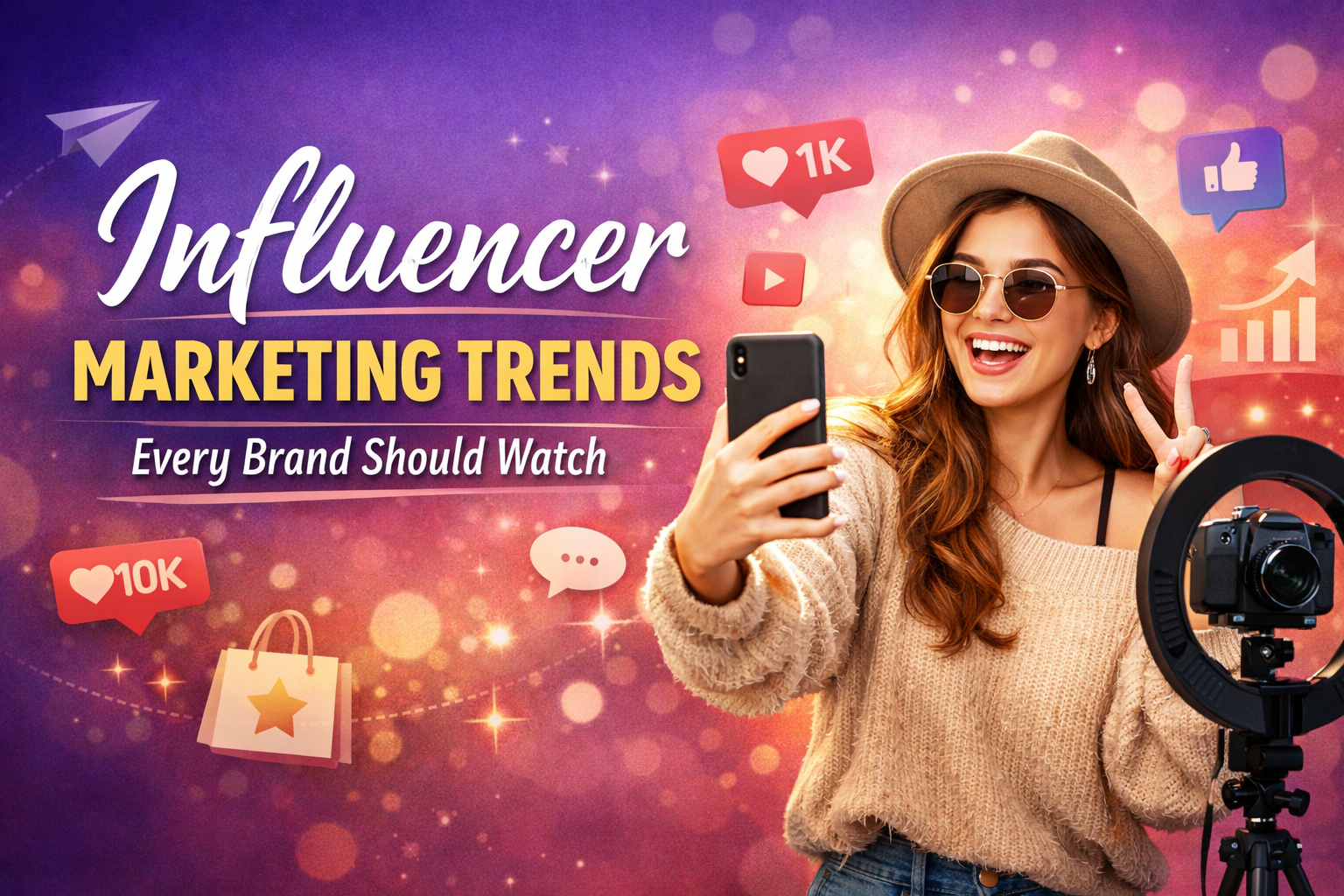
Influencer marketing has evolved from a niche digital tactic into a powerful growth engine for brands across industries. What began with celebrity endorsements on social media has now transformed into a data-driven, trust-based marketing channel that influences purchasing decisions at scale. As platforms evolve and audiences become more selective, brands must stay ahead of emerging trends to remain relevant and effective.
Here are the key influencer marketing trends every brand should watch to stay competitive in today’s fast-changing digital landscape.
1. The Rise of Micro and Nano Influencers
Brands are shifting focus from mega-celebrities to micro (10K–100K followers) and nano influencers (under 10K followers). These creators often have highly engaged, loyal audiences and deliver stronger authenticity.
Why this trend matters:
- Higher engagement rates than celebrity influencers
- More niche and targeted audiences
- Cost-effective campaigns with better ROI
Consumers increasingly trust creators who feel relatable and genuine rather than overly polished personalities.
2. Authentic Content Over Perfect Aesthetics
Highly curated, ad-like posts are losing impact. Audiences now prefer raw, honest, and story-driven content that feels real. Influencers who share personal experiences, behind-the-scenes moments, and honest reviews perform better.
Brands that allow creative freedom and avoid scripted messaging are seeing:
- Higher trust and credibility
- Improved audience connection
- More meaningful brand recall
Authenticity is no longer optional—it’s essential.
3. Long-Term Influencer Partnerships
One-off influencer posts are being replaced by long-term collaborations and brand ambassadorships. Ongoing partnerships help influencers build consistent brand association, making promotions feel more natural.
- Benefits of long-term collaborations:
- Stronger brand trust
- Better storytelling across campaigns
- Consistent brand voice
Audiences are more likely to engage with brands they see repeatedly endorsed by someone they trust.
4. Short-Form Video Dominance
Platforms like Instagram Reels, YouTube Shorts, and TikTok have redefined content consumption. Short-form video has become the most powerful format in influencer marketing.
Why brands are investing in short-form video:
- Higher reach and algorithm support
- Quick, engaging storytelling
- Better conversion potential
Influencers who can create compelling videos in under 60 seconds are becoming highly valuable to brands.
5. Performance-Driven Influencer Marketing
Influencer marketing is no longer just about awareness. Brands are now focusing on measurable performance metrics such as engagement, leads, conversions, and sales.
Key performance indicators include:
- Click-through rates
- Conversion rates
- Cost per acquisition
- ROI tracking via affiliate links and promo codes
This shift ensures influencer marketing is accountable, data-backed, and aligned with business goals.
6. Creator-Led Brand Storytelling
Influencers are no longer just promoters—they are co-creators. Brands are collaborating with influencers to shape campaigns, product launches, and storytelling strategies.
This trend allows:
- More creative and relatable campaigns
- Fresh perspectives aligned with audience interests
- Higher emotional connection
When creators feel ownership, content quality and authenticity improve significantly.
7. Platform-Specific Influencer Strategies
Different platforms serve different purposes. Brands are moving away from one-size-fits-all campaigns and focusing on platform-specific strategies.
For example:
- Instagram for lifestyle, fashion, and visual storytelling
- TikTok for trends, entertainment, and virality
- YouTube for long-form reviews and education
- LinkedIn for B2B influencer collaborations
Choosing the right platform is as important as choosing the right influencer.
8. Ethical, Purpose-Driven Influencer Marketing
Modern consumers care about values. Influencers who stand for sustainability, inclusivity, mental health, and social responsibility resonate more deeply with audiences.
Brands aligning with purpose-driven influencers gain:
- Stronger emotional connections
- Improved brand reputation
- Long-term audience loyalty
Ethical influencer marketing is shaping the future of brand trust.
9. Influencer Marketing for B2B Brands
Influencer marketing is no longer limited to B2C. B2B brands are leveraging industry experts, founders, and thought leaders to build credibility and influence decision-makers.
Common B2B influencer formats include:
- LinkedIn thought leadership posts
- Webinars and panel discussions
- Case studies and expert reviews
Trust and expertise matter greatly in B2B, making influencer partnerships highly effective.
10. AI and Technology in Influencer Campaigns
Technology is transforming influencer marketing through AI-driven influencer discovery, audience analysis, and performance tracking. Brands can now identify the right creators, detect fake followers, and optimize campaigns in real time.
This trend ensures:
- Smarter influencer selection
- Reduced campaign risks
- Improved ROI
AI is making influencer marketing more strategic and scalable.
Final Thoughts
Influencer marketing continues to evolve, driven by changing consumer behavior, new platforms, and rising demand for authenticity. Brands that adapt to these trends—focusing on trust, creativity, performance, and long-term relationships—will gain a strong competitive advantage.
The future of influencer marketing isn’t about louder promotions; it’s about real voices, meaningful connections, and measurable impact. Brands that understand this shift will not only stay relevant but lead the conversation in the digital age.